Loading TradeMatch
UK Accreditation · Verified Body
NICEIC (NICEIC)
UK's largest electrical contractor certification body. Last reviewed April 2026 by the TradeMatch editorial team.
What is NICEIC?
NICEIC (National Inspection Council for Electrical Installation Contracting) is the largest UK electrical certification body, founded in 1956 and now part of Certsure. NICEIC operates several schemes — Domestic Installer (Part P competent person), Approved Contractor (commercial standard) and Assured (newer entrants). Choosing a NICEIC-registered electrician means the work has been independently assessed against BS 7671 (the IET Wiring Regulations) and the contractor carries appropriate insurance and qualifications. NICEIC self-certifies notifiable domestic electrical work to Building Control, saving homeowners the £200+ Building Notice fee for things like new circuits, consumer-unit replacements and bathroom electrics.
Visit Official Register ↗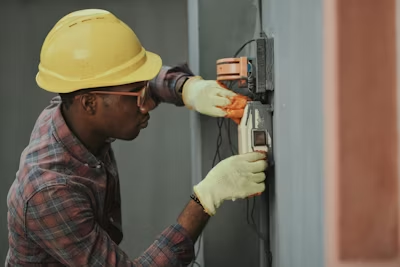
Scope of Certification
What does NICEIC cover?
NICEIC covers all electrical installation work — domestic and commercial. The Domestic Installer scheme is what most homeowners need; it certifies the contractor against Part P of the Building Regulations (electrical safety in dwellings). NICEIC also offers PAT (Portable Appliance Testing), EICR (Electrical Installation Condition Report) and Solar PV certifications. Membership requires annual reassessment, technical exam and proof of qualifications — typically City & Guilds Level 3 (2365 / 2391) plus the 18th Edition Wiring Regs.
Three Things That Matter
Verifying a NICEIC-registered tradesperson
- NICEIC card and registration number — verify online at niceic.com before signing any quote
- Electrical Installation Certificate (or Minor Works Certificate) issued for every notifiable job
- Building Regs Part P self-certification automatically lodged with your local authority within 30 days
UK Trades Covered
NICEIC applies to these trades
Escrow Protection
100%of TradeMatch payments held in escrow
Every job, every payment, every time. Funds held in a segregated client account until you sign off the work.
- Held in escrowFrom the moment the deposit clears until the job is signed off.
- Released on sign-offFunds release within 24 hours of you confirming the work is done to spec.
- Disputed = frozenIf something is wrong, the payment freezes pending review by our resolution team.
TradeMatch escrow operates through FCA-regulated payment providers. Customer funds are segregated from operating accounts and protected under UK consumer law.
Answers
NICEIC FAQ
NICEIC vs NAPIT — which is better?
Both are equally accepted Part P competent person schemes. NICEIC is larger (~30,000 contractors), NAPIT is smaller and often slightly cheaper for installers. From a homeowner perspective: either gives you the same legal Part P self-certification. Choose the contractor on quality and price, not the scheme.
What is Part P and why does it matter?
Part P of the Building Regulations covers electrical safety in dwellings. Notifiable work (new circuits, consumer-unit replacements, bathroom electrics, kitchen circuits) must either be self-certified by a competent-person scheme member like NICEIC, or notified to Building Control with a £200+ fee. Hiring a NICEIC contractor avoids the fee and the inspection delay.
Do I need a Part P certificate when selling my home?
Yes — your buyer's solicitor will ask for certificates covering any electrical work done since 2005. Without them, the buyer can demand a £350+ EICR or reduce their offer. Always request the certificate from your electrician at handover.
Can a non-NICEIC electrician do notifiable work?
Yes, but the work must be notified to Building Control before it starts and inspected on completion. Most homeowners and many small electricians find this so onerous that they only hire competent-person scheme members in practice.
The Honest Read
Why NICEIC verification matters before any deposit
Lapsed accreditations are the most common silent failure on UK trade hires — registrations expire annually and not every trader updates their listing. Always verify the NICEIC number on the public register on the day you sign, not at first meeting. On TradeMatch, every NICEIC-registered tradesperson is independently re-checked before they can quote on your job, and the registration link is shown on their profile so you can confirm yourself.
Try It Free
Get a NICEIC-Verified Quote
Up to 5 quotes from UK tradespeople — every NICEIC-relevant member independently verified by TradeMatch. Escrow-protected payments. Reviews tied to completed jobs only.
Post a Job Free